



Between the ages of 6 and 10, children consolidate the tools of logical and symbolic thought, learn to read and write, handle numbers and give some order to the reality surrounding them. It is a period of great discovery, during which curiosity turns into method and questions become a means to build knowledge.
At Rootes Junior this development is accompanied by a bilingual and bicultural journey which does not simply follow two languages, but intertwines two perspectives on life: the theoretical and reflective depth of Italian tradition and experience-based Anglo-Saxon pragmatism. From this daily meeting, children learn to live with complexity, understand reality from two differing points of view, and move, with agility, between two different systems of thought: a wealth which becomes identity.
Rootes Junior’s educational offer integrates the Italian National Indications and the English National Curriculum, in an organic curriculum which does not follow separate tracks but intertwines two cultures.
Our method is based on a dialogue between experience and reflection, practical research and critical ability. Learning takes on the shape of workshops, interdisciplinary projects and activities which put the question, rather than the answer, at the centre. Sciences become investigations, mathematics an exercise in applied logic, and history and geography instruments to understand the various ways in which human beings have interpreted the world.
On this journey, the two languages go together naturally; Italian and English intertwine every day and the teachers, Italian and mother-tongue English, work in co-teaching or joint planning and offer complementary perspectives.
Didactic approaches unite in a single plot: inquiry-based learning leads the children to observe and formulate hypotheses; cooperative learning accustoms them to bring their knowledge to group activities; STEAM educates them to link up science, technology, art and mathematics in a critical and creative manner, and Outdoor Education leads to learning in natural and urban settings.
Every school day opens with the Agora, a moment for meeting together in which the class discusses, shares and compares. It’s a workshop of words and thoughts, in which the kids learn to express ideas, listen to others and build important communities.
Linguistic development attains international recognition by means of Trinity College London certification, an integral part of the educational journey.
Knowledge is acquired through experience, which speaks to the mind and the heart. The didactic garden and the sustainability projects teach the values of care and attention; the artistic, musical and theatre workshops give shape to emotions and thoughts; sport and motor skills train the body and collaborative skills; and the school outings and twinning, such as the My Friend project, open children up to the discovery of various cultures and turn the unknown into an opportunity for development.
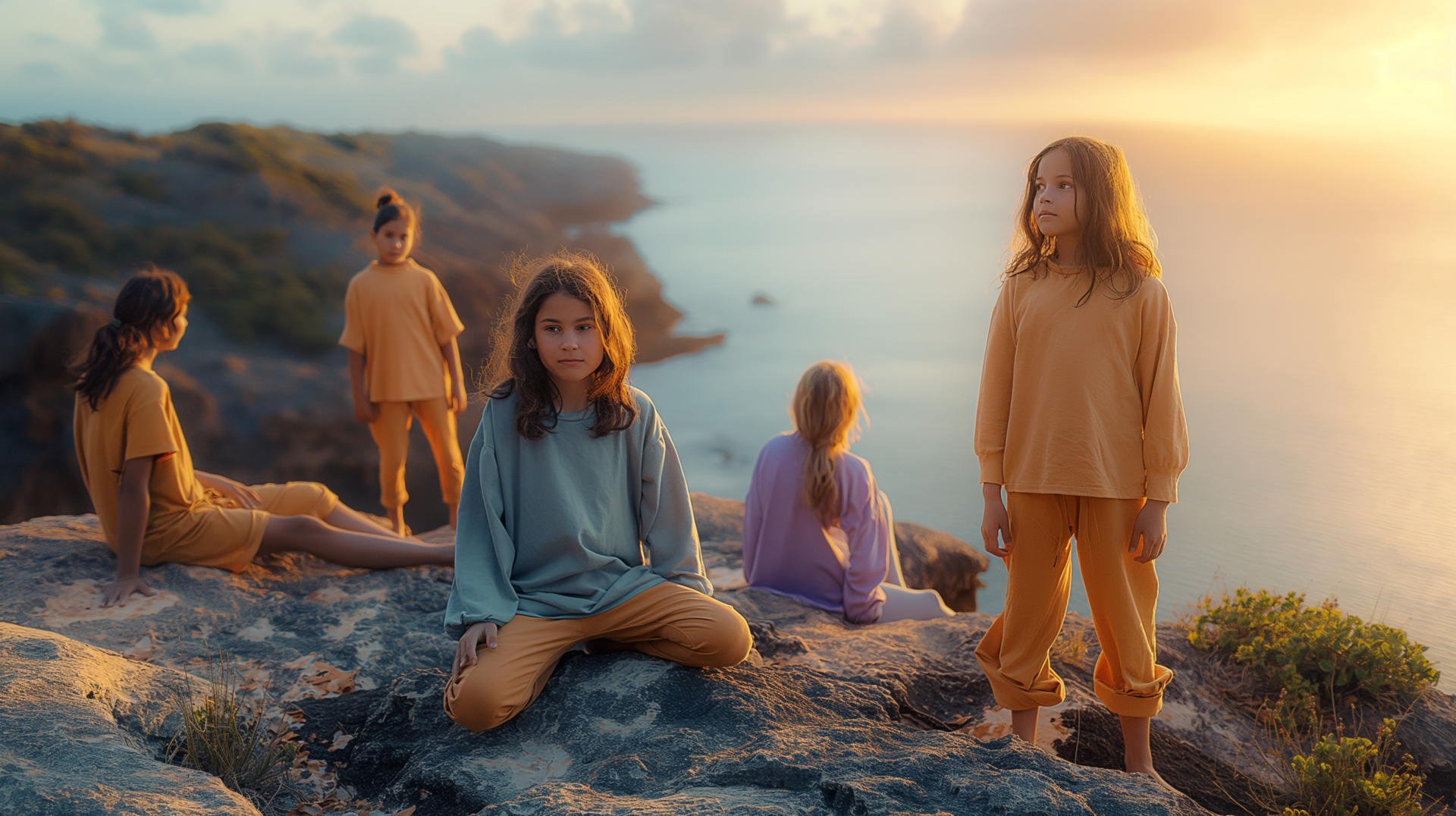
The week follows a rhythm that alternates between subjects taught in Italian and English, workshops, artistic and sports activities — a balance that reflects the bicultural nature of the program.
Example of weekly timetable:
| Subject | Italian | English |
|---|---|---|
| Italian | 6 | 6 |
| Maths | 3 | 2+1* |
| Sciences | 1 | 1* |
| History | 1 | 1* |
| Geography | 1 | 1* |
| Art/Music/Drama | – | 4 |
| P.E | – | 2** |
| IRC/ARC | 1*** | 2** |
(*Co-teaching madrelingua inglese e insegnante italiana).
(** With both a native English speaker and a subject specialist present).
(*** During extracurricular hours).
The school day runs from 8.30/9.00 to 16.15, with areas for the canteen and recreation, which are part of the educational project. The offer is completed by post-school and out-of-school activities, so that each student can cultivate their own interests and experiment with new languages.